
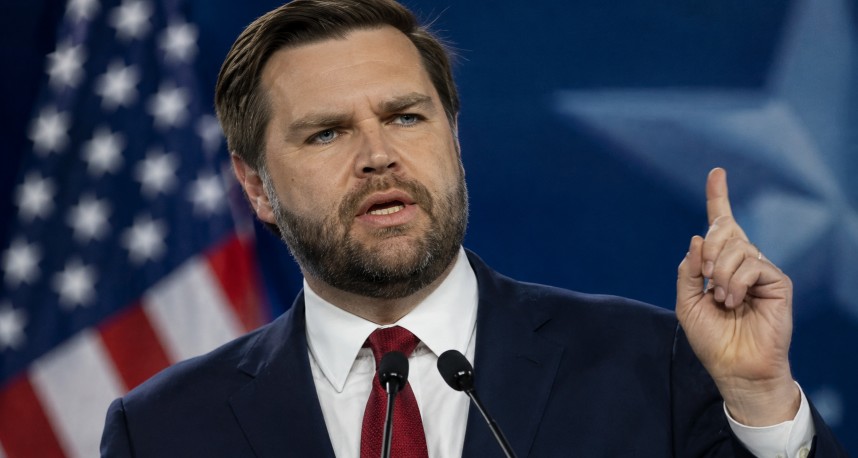
In a recent podcast interview, US Vice President JD Vance alleged that some Israeli government officials have attempted to sway American public opinion against a US-endorsed agreement designed to resolve the ongoing conflict with Iran. According to Vance, these Israeli officials were interested in continuing the military campaign and worked to influence US political sentiment to oppose the deal.
Vance expressed concern over foreign attempts to shape American policy, noting that while many nations engage in such practices, it becomes problematic when they impact US decision-making. He defended the agreement, which was finalized last month, as it aims to conclude the conflict with Iran and impose restrictions on Israel’s military actions involving Hezbollah in Lebanon. Vance emphasized that the accord aligns with US strategic interests and underscored the necessity of maintaining independent foreign policy decisions.
The vice president’s comments come after his previous criticism of Israeli resistance to the Iran agreement. Despite these tensions, the White House has confirmed that President Donald Trump and Vice President Vance are unified in their approach to handling the conflict.
At the time of the report, Israeli officials had not issued any public response to Vance’s statements. The situation underscores the complexities of international diplomacy and the challenges of navigating foreign influence on US policy.